Trending

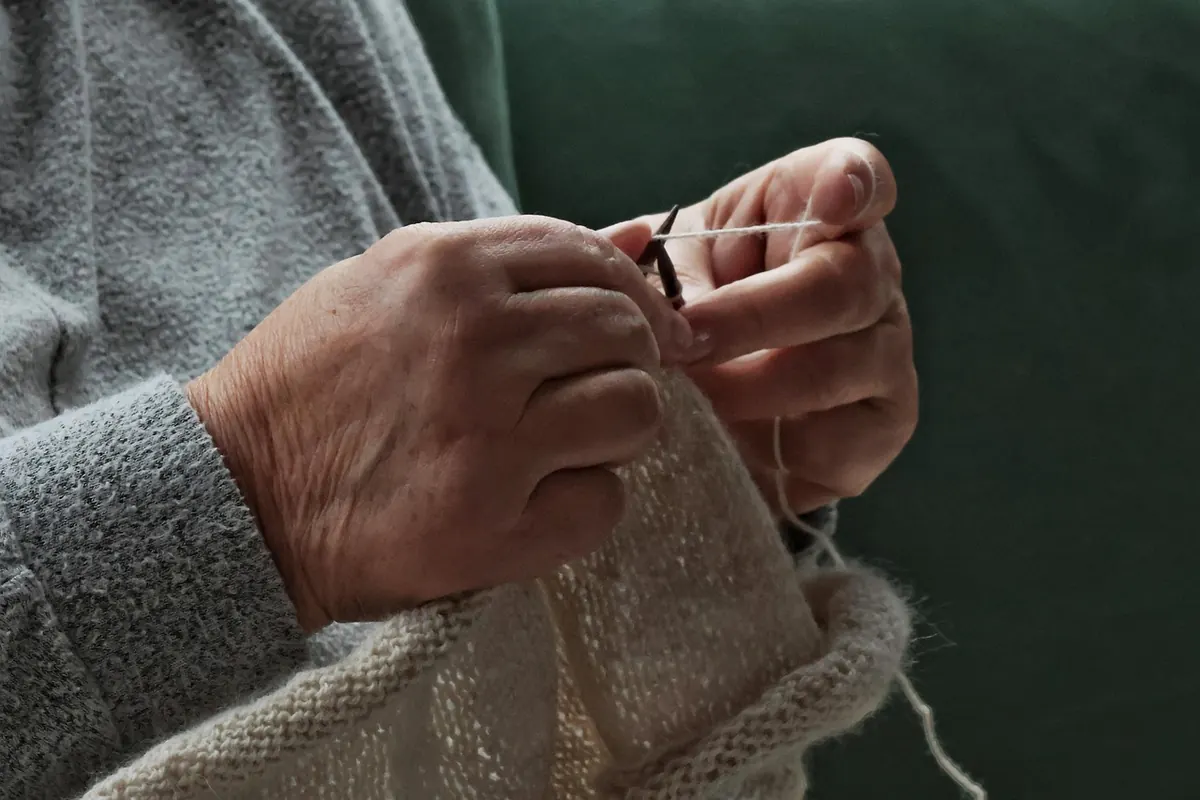
There's a particular kind of optimism in a new ball of yarn and a pattern you mostly understand. Then you cast on, knit three rows, and discover the needles are the wrong size, the yarn splits on every stitch, and there isn't enough of it for a second sleeve. None of that is bad luck. It's the ten minutes you skipped before you started. Gather these things first and your first project has a far better chance of being finished rather than abandoned in a bag at the back of the cupboard.
Decide what you're making before you buy anything. For a first project, look for something flat, rectangular and worked in one piece: a scarf, a simple cushion cover, a chunky cowl, a cotton washcloth. Hats and socks are lovely, but they involve circular needles, shaping and counting, which is a lot to hold in your head all at once. They'll make excellent second and third projects.
Once you've found a pattern you like, read the first page properly. Check the stated skill level, the abbreviation list, the yarn weight and quantity, the needle size, the tension, and the finished measurements. If the pattern is marked intermediate and mentions short rows or intarsia, save it for later without guilt. Print your pattern if you can, or keep it somewhere you'll find it again, and highlight every number that applies to your size before you cast on. Hunting for "the second number in brackets" halfway through a row is how mistakes happen.
Yarn weight means thickness, not how heavy the ball is. In the UK you'll mostly see 4-ply, double knitting (DK), aran, chunky and super chunky. Substituting a chunky for a DK changes the needle size, the tension, the size of the finished item and how much yarn you need. For a first project, buy the weight the pattern asks for rather than improvising.
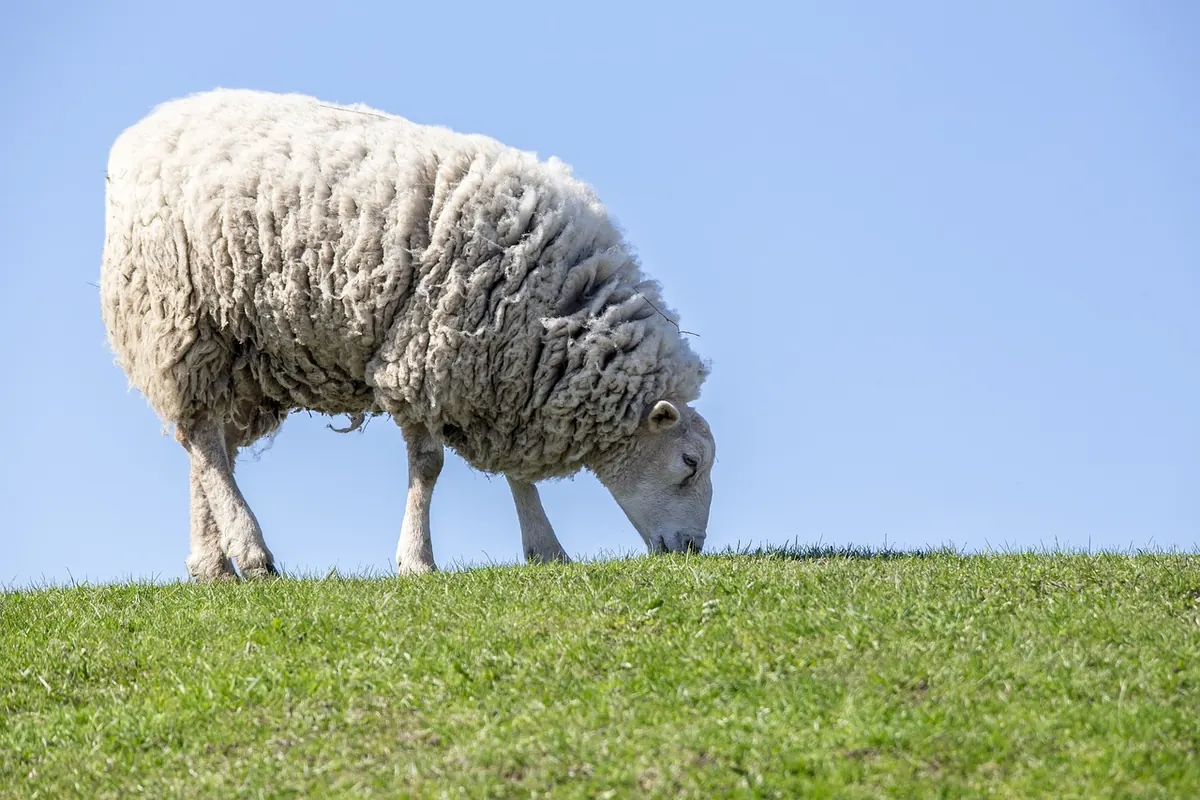
Acrylic is inexpensive, machine washable and forgiving of slightly uneven stitches, which makes it a sensible choice for practising. Wool has beautiful stitch definition and a natural bounce that hides beginner wobbles, but check the ball band before you plan to wash it hot. Cotton has no stretch, which is hard on the hands and unforgiving of loose tension. Alpaca and silk are drapey and slippery and will show every single inconsistency. A wool and acrylic blend is a good middle ground.
Look at the ball band for the dye lot or batch number and buy all your balls in one go. Yarn from a different batch can differ subtly, and on a large flat piece like a scarf that difference is very visible. Buy one extra ball if your budget stretches to it: you'll want it for your tension square, and spare yarn is useful for repairs later.
Patterns give a needle size in millimetres, and it's a starting point rather than a rule. Your own tension decides the finished size, which is why the swatch below matters. Even so, start with the size stated in the pattern.
Bamboo and wooden needles have more grip, which is reassuring with slippery yarn and with the loose, slightly uncontrolled tension most beginners have. Metal needles are slicker and faster, but stitches slide off the ends more readily. A pair of aluminium 4 mm straight needles will serve you for years.
Check the type and length too. Straight needles suit flat pieces. Circular needles are needed for anything worked in the round and are also more comfortable when you have a lot of stitches, because the weight rests in your lap rather than on your wrists. An 80 cm circular is a good general length; 40 cm is handy for hats. Finally, look at the points: very blunt tips struggle with tight stitches, and very sharp ones split the yarn.
None of these are expensive, but missing one halfway through a row is annoying. Keep them together in a small tin or pouch so they don't migrate to the bottom of your bag.
It feels like homework. It is also the single most useful habit a new knitter can build. A pattern will state something like "22 stitches and 30 rows to 10 cm over stocking stitch". That figure belongs to the designer's knitting, not yours.
Cast on more stitches than the tension figure states, work until the square is around 15 cm, then measure across the middle 10 cm without stretching it. More stitches than stated means your knitting is tighter than the designer's: go up a needle size and try again. Fewer stitches means you knit more loosely: go down a size. Write down what worked.
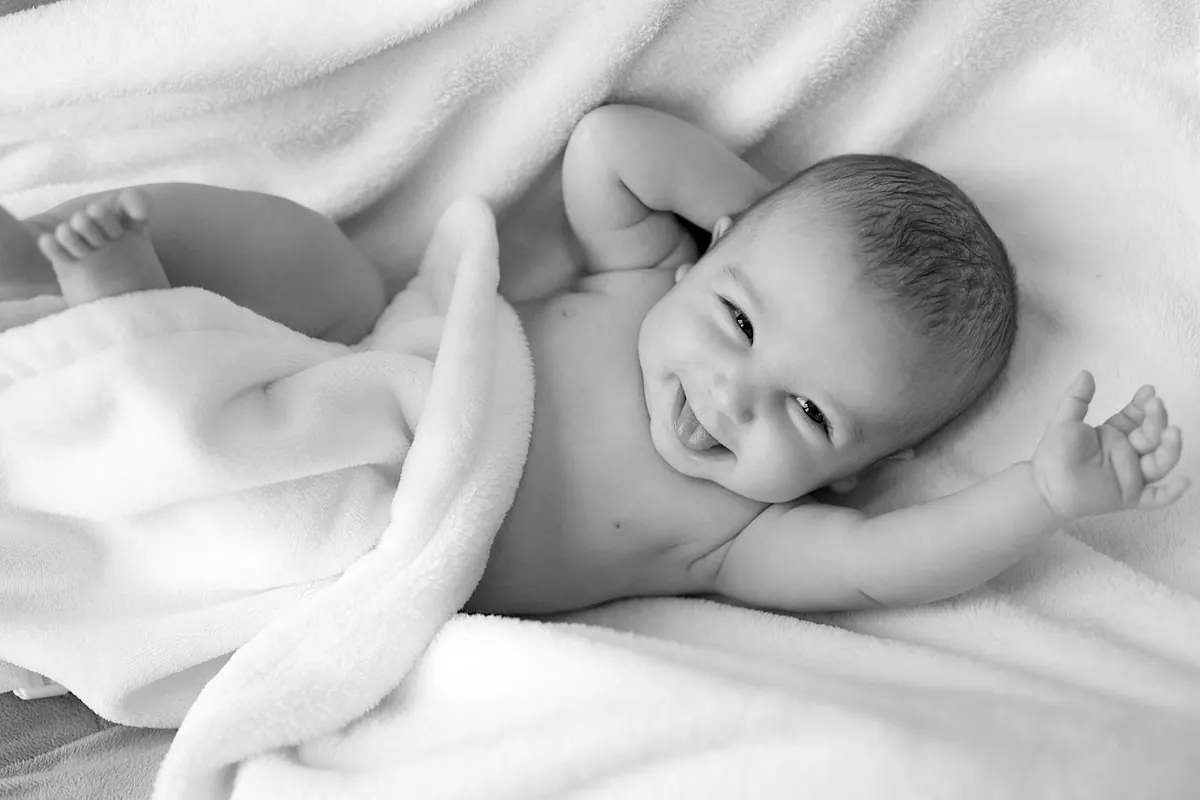
Then wash and dry the square the way you intend to wash the finished item. Some yarns change noticeably after their first bath, and it's far better to discover that on a square than on a jumper. If you're knitting for a baby or for someone with sensitive skin, read the ball band carefully and choose a yarn whose care instructions suit the person who'll be washing it.
Before the first stitch, run through this in order:
If any of those five is missing, sort it now. It takes minutes and saves hours. Then find a comfortable chair, put your phone on silent, and cast on. The first few rows will feel clumsy, and that's completely normal — tension evens out with practice, not with talent. Keep the pattern beside you, count at the end of every row, and resist the urge to start three projects at once. Finishing one small thing you're proud of will teach you more than a dozen half-started ones.
Photo: Tho-Ge / Pixabay