Trending

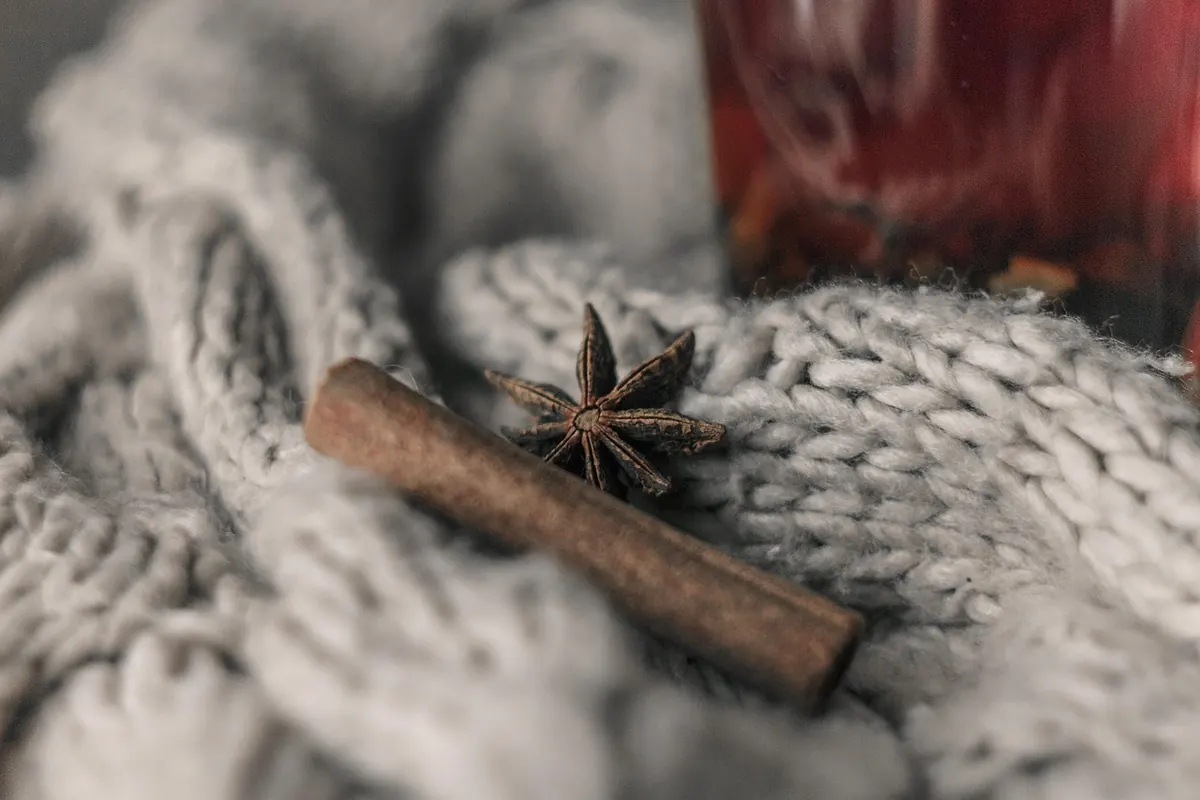
The clocks have gone back, the radiators tick into life, and the corner where you knit is suddenly dim by four o'clock. It is the best time of year to be holding wool. Autumn and winter projects reward a bit of planning: yarn that holds warmth, stitches you can work without squinting, and shapes that actually get worn between October and March. Here are eight makes that suit the season, from a hat you can finish over two evenings to a throw that will keep your knees warm until spring.
If you want something finished before the weekend, start here. A hat uses one skein, needs no fitting, and quietly teaches you working in the round, decreasing and blocking all at once.
Work it in double knitting on 4mm needles with a 2x2 rib, which gives plenty of stretch and forgives a slightly loose tension. Cast on a multiple of four stitches, join in the round, and work the rib for 8–10cm if you want a turn-back brim. Switch to stocking stitch and knit straight until the tube measures roughly 20cm from the cast-on edge, then begin your crown: knit two together every eighth stitch on the first decrease round, every seventh on the next, and so on, spacing the decreases so they sit neatly above each other. When about a dozen stitches remain, thread the yarn through the live loops and pull tight.
The same shape, worked in chunky yarn on 6mm needles and with a deep brim of 12–14cm that folds up double over the ears. Because the brim is doubled, it traps a layer of air, and that is what keeps you warm rather than the thickness of the wool alone. Add a pompom, or leave it plain and let the texture do the work.
3. The chunky loop snood. This is the project to knit in front of a film. Choose a chunky or super-chunky yarn, cast on enough stitches to circle your shoulders comfortably, and join in the round. Knit or work a simple textured stitch until the tube is 35–45cm deep, then cast off loosely. Nothing to shape, nothing to seam. A longer loop, around 150cm in circumference, can be wrapped twice and worn like a hood; a shorter 60cm cowl sits snugly inside a coat collar. Both look better in a yarn with a little bounce, so hold a strand of soft wool with a finer mohair or alpaca if you want extra halo. Crocheters can work the same idea in the round in UK double crochet with a larger hook than the ball band suggests; the looser fabric drapes rather than stands up stiffly.
Hands are where winter knitting earns its keep, and these two are small enough to carry in a project bag.
4. Stranded mittens. Colourwork pulls the fabric in, so work a tension square in the round before you begin and go up a needle size if your stitches look tight. Keep the floats loose across the back of the work, never more than about five stitches without catching the contrast colour, otherwise your fingers will snag. A thumb gusset is easier than it sounds: increase either side of a marker every few rounds until you have enough stitches, slip them onto waste yarn, and pick them up again once the hand is finished.
5. Wrist warmers. Two small tubes in leftover DK, cast on around 40 stitches and worked in 2x2 rib until they reach your knuckles. Leave a gap or a small buttoned opening for the thumb. They are the ideal first colourwork or cable project, and they make useful gifts for anyone who works at a keyboard in a cold room.
6. House socks. Proper socks are knitted in 4-ply on 2.25mm needles and take patience; house socks in aran weight on 4mm needles take an evening or two. Work them as a simple tube with a short-row or afterthought heel, and keep them for wearing without shoes. If you do go the full sock route, a heel flap and gusset gives the best fit, and Kitchener stitch closes the toe invisibly once you have practised it a few times.
7. Felted slippers. Knit them deliberately oversized in a non-superwash wool, then felt them in a hot machine wash. Felting is unpredictable, so always test a swatch first, and check the load every few minutes. Never use superwash wool for this: it is treated not to felt, and you will simply end up with enormous slippers.
8. The mitred square throw. Blankets are the long game, and mitred squares are the friendliest way in. Each square starts from a small cast-on, decreases to the centre, and joins to its neighbour as you go, so there is almost no seaming at the end. Log cabin strips and crochet granny stripes work on the same principle: portable pieces that become a whole. Be realistic about size. A lap blanket is a satisfying winter project; a bed-sized throw is a year of evenings. If you want to test the idea first, make a cushion cover and see how the colours behave together.
Read the ball band before you buy a bagful, and buy enough for the whole project in one go, because dye lots vary. Keep the labels in your project bag until the item is finished and blocked.
Start with the hat if you want instant warmth, or the throw if you want something to look forward to every evening. Either way, block your finished pieces, weave in the ends properly, and wear the things you make. A hand-knitted hat that sits unworn in a drawer is the only real waste in this hobby.
Photo: santarina81 / Pixabay